
Visual Concepts and Visual Styles
25 Examples of Each

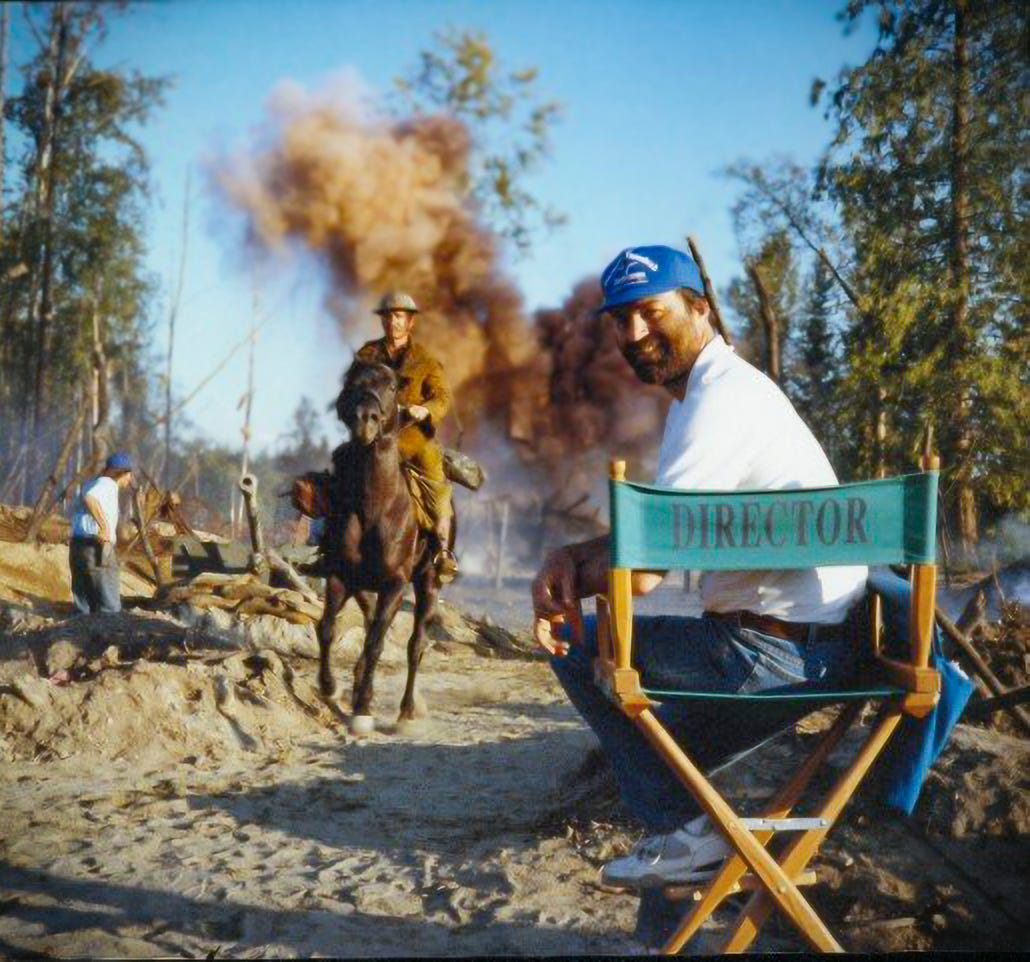
1. Aspect Ratio: The director might choose a specific aspect ratio to create a particular visual style. For example, a wide aspect ratio might be used to create a sense of grandeur or scale, while a narrow aspect ratio might be used to create a sense of claustrophobia or intimacy.
2. Camera Movement: The director might use camera movement to create a sense of energy or urgency. For example, fast-paced, handheld camera movements might be used to create a sense of chaos or excitement, while slow, smooth camera movements might be used to create a sense of calm or serenity.
3. Character Development: The director might use character development to create a sense of growth or change. For example, a character might undergo a transformation or arc to create a sense of progression or development.
4. Color Palette: The director might choose a specific color palette to convey a particular mood or theme throughout the film. For example, a warm color palette might be used to create a cozy and inviting atmosphere, while a cool color palette might be used to create a sense of detachment or unease.
5. Composition: The director might use composition to create a sense of balance or imbalance. For example, a symmetrical composition might be used to create a sense of order or stability, while an asymmetrical composition might be used to create a sense of tension or imbalance.
6. Costume Design: The director might use costume design to create a sense of character or identity. For example, a character might wear a specific color or style of clothing to convey their personality or background, while a character might wear a specific type of clothing to convey their profession or social status.
7. Cinematography: The director might use cinematography to create a sense of movement or stillness. For example, a handheld camera might be used to create a sense of energy or chaos, while a stationary camera might be used to create a sense of stability or control.
8. Editing: The director might use editing to create a sense of rhythm or pacing. For example, fast-paced editing might be used to create a sense of urgency or excitement, while slow-paced editing might be used to create a sense of calm or reflection.
9. Depth of Field: The director might use depth of field to create a sense of focus or blur. For example, a shallow depth of field might be used to create a sense of focus on a specific object or character, while a deep depth of field might be used to create a sense of detail or complexity.
10. Framing: The director might use framing to create a sense of intimacy or distance. For example, a close-up might be used to create a sense of intimacy with a character, while a long shot might be used to create a sense of distance or isolation.
11. Lighting: The director might use lighting to create a specific atmosphere or mood. For example, soft, diffused lighting might be used to create a romantic or dreamy atmosphere, while harsh, directional lighting might be used to create tension or drama.
12. Location: The director might choose a specific location to create a sense of authenticity or atmosphere. For example, a real-world location might be used to create a sense of realism, while a fictional location might be used to create a sense of fantasy or escapism.
13. Movement: The director might use the movement of characters or objects within the frame to convey emotions or relationships. For example, characters moving toward each other can suggest connection or confrontation, while characters moving away can indicate emotional or physical distance.
14. Pacing: The director may manipulate pacing through editing and scene length to match the story’s tone. For example, a fast pace can create excitement or urgency, while a slower pace can evoke a sense of contemplation or tension.
15. Props: The director might use props to create a sense of realism or fantasy. For example, a character might use a specific type of weapon or tool to convey their occupation or expertise, while a character might use a specific type of object to convey their personality or interests.
16. Set Design: The director might use set design to create a sense of place or time. For example, a detailed and realistic set might be used to create a sense of authenticity, while a stylized or minimalist set might be used to create a sense of abstraction or fantasy.
17. Sound Design: The director might use sound design to create a sense of atmosphere or mood. For example, a specific type of music might be used to create a sense of tension or excitement, while a specific type of sound effect might be used to create a sense of danger or suspense.
18. Story Structure: The director might choose a specific story structure to create a sense of suspense or surprise. For example, a nonlinear story might be used to create a sense of mystery or intrigue, while a linear story might be used to create a sense of clarity or resolution.
19. Symbolism: The director might use visual symbols throughout the film to convey deeper meanings or reinforce themes. For example, the use of recurring objects, such as a broken mirror or a bird in flight, might represent a character’s fractured identity or desire for freedom, adding layers of interpretation to the story.
20. Texture: The director might use textures in costumes, sets, or visual effects to enhance the sensory feel of a film. For instance, rough textures can convey grit and realism, while smooth textures can create a polished or futuristic look.
21. Theme: The director might use the theme to create a sense of meaning or purpose, guiding the audience’s emotional journey and highlighting the story’s central message or underlying motifs. For example, a film might explore a specific theme or idea to create a sense of depth or complexity.
22. Time Period: The director might choose a specific time period to create a sense of historical or cultural context. For example, a film set in the past might be used to create a sense of nostalgia or tradition, while a film set in the future might be used to create a sense of innovation or progress.
23. Tone: The director might use tone to create a sense of mood or atmosphere. The tone can be manipulated through various elements such as lighting, music, dialogue, and pacing, allowing the director to evoke particular emotions and set the overall mood of the story.
24. Transitions: The director might use creative transitions between scenes to influence the flow of the story. For example, a fade-to-black transition can signify an end or separation, while a dissolve can imply a passage of time or connected events.
25. Visual Effects: The director might use visual effects to create a sense of fantasy or surrealism. For example, computer-generated imagery (CGI) might be used to create fantastical creatures or environments, while practical effects might be used to create realistic explosions or stunts.
I am a Director and Film Directing Coach. https://www.imdb.com/name/nm0551106/
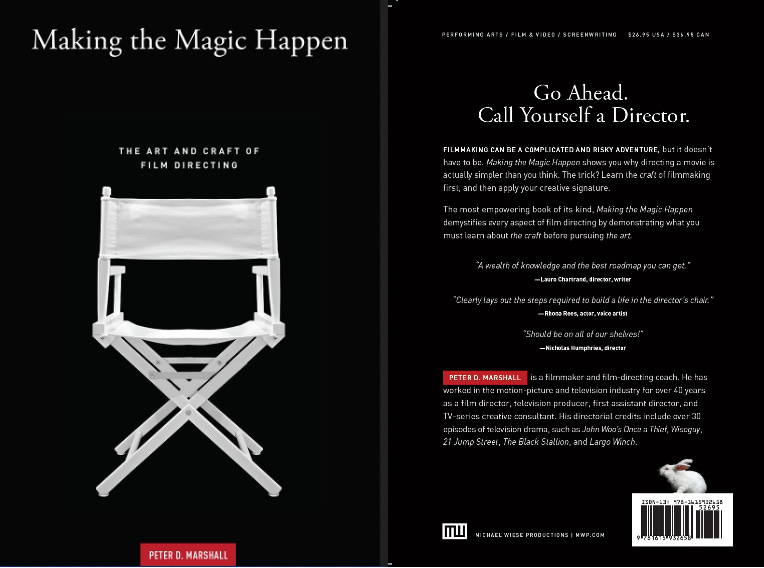
I am also the author of the film book “Making the Magic Happen: The Art and Craft of Film Directing” published by Michael Wiese Productions.
https://www.amazon.com/MAKING-MAGIC-HAPPEN-Craft-Directing/dp/1615932658
In 2024, I spent 9 months writing 25 film directing (e)books called “MASTERING THE ART AND CRAFT OF DIRECTING - A Masterclass Series of Film Directing Tips, Tools and Trade Secrets For Anyone Sitting in the Directors Chair.”
If you would like to get the first 2 ebooks for FREE, plus the 39-page Series Table of Contents of ALL the content that is available in each of the 25 Directing books, please visit: https://actioncutprint.com/masterclass-series-of-25-directing-ebooks/
Here’s to YOUR filmmaking success!