
The Casting Breakdown Sheet
The Casting Breakdown sheet serves as a roadmap for both you and the actors.

Before you start auditioning, you need to first attract the “best qualified” actors to your casting sessions by creating a compelling Casting Breakdown sheet which is the important first step to attracting the most qualified actors to your auditions.
The Casting Breakdown sheet serves as a roadmap for both you and the actors, providing essential information about the project and the characters being cast. A well-crafted Casting Breakdown sheet not only attracts talented actors but also sets clear expectations for a smooth audition process for everyone involved.
Here’s what a “typical” Casting Breakdown Sheet should contain
1. Synopsis of the Film: Start with a concise synopsis of the film, which gives potential actors a glimpse into the story and its themes. This helps actors understand the context of the roles they are auditioning for. A clear and engaging synopsis can also generate interest and excitement about the project, encouraging more actors to audition.
2. Character Descriptions: Provide brief descriptions of each character, highlighting their key traits, motivations, and relationships within the story. This detail allows actors to gauge whether they fit the roles and prepare accordingly. Well-crafted character descriptions help actors bring depth and authenticity to their auditions, showcasing their understanding of the character.
3. Casting Details: Include casting dates, times, and locations so actors can schedule their auditions effectively. Providing this information ensures that the process runs smoothly and efficiently. Offering multiple options for audition times can accommodate actors with varying schedules and increase the turnout of suitable candidates.
4. Role Requirements: Outline any special skills, languages, or physical requirements needed for the role. This helps actors assess whether they have the necessary qualifications and can prepare appropriately for the audition.
5. Wardrobe and Appearance Guidelines: Mention any specific wardrobe or appearance requirements for the audition. This ensures actors can present themselves in a way that works with the vision for the character, giving the casting team a clearer sense of how they might fit the role.
6. Union Status: Indicate whether the project is union or non-union, which is crucial for actors to know regarding their eligibility and compliance with industry standards. This information helps actors determine whether they are eligible to audition and understand the working conditions they can expect.
7. Shooting Schedule: Mention the “potential” shooting dates to give actors an idea of the project’s timeline and their availability requirements. This helps actors to plan their schedules and confirm their commitment to the project. Clear information about the shooting schedule also helps prevent conflicts and ensures a smoother production process.
8. Compensation Details (Optional): Provide basic information on the compensation being offered, including pay rates, benefits, and any other relevant financial details. This transparency helps actors make informed decisions about their participation and commitment to the project.
9. Submission Instructions: Specify how actors should submit their applications, whether through email, casting websites, or in-person auditions. Clearly outlining the submission process helps streamline the application review and ensures that all necessary materials are received.
10. Creative Team: Include at least 2 key creative team members (casting director and director) as well as a list of any production companies, studios, or agencies so actors know who is backing the project.
11. Contact Information: Provide contact details for further inquiries, ensuring actors can reach out with any questions. Having a direct line of communication helps address any uncertainties and creates a professional and transparent audition process. Including multiple contact options, such as phone numbers and emails, can also improve accessibility for actors.
I am a Director and Film Directing Coach. https://www.imdb.com/name/nm0551106/
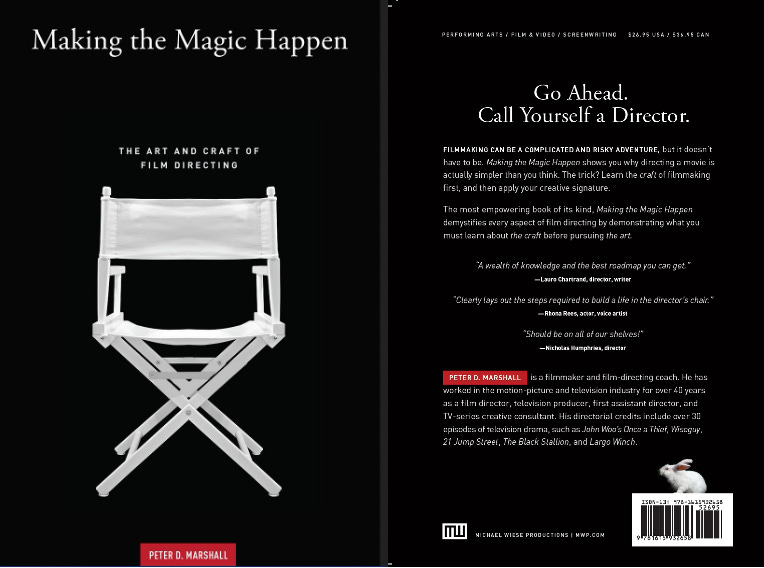
I am also the author of the film book “Making the Magic Happen: The Art and Craft of Film Directing” published by Michael Wiese Productions.
https://www.amazon.com/MAKING-MAGIC-HAPPEN-Craft-Directing/dp/1615932658
In 2024, I spent 9 months writing 25 film directing (e)books called “MASTERING THE ART AND CRAFT OF DIRECTING - A Masterclass Series of Film Directing Tips, Tools and Trade Secrets For Anyone Sitting in the Directors Chair.”
If you would like to get the first 2 ebooks for FREE, plus the 39-page Series Table of Contents of ALL the content that is available in each of the 25 Directing books, please visit: https://actioncutprint.com/masterclass-series-of-25-directing-ebooks/
Here’s to YOUR filmmaking success!