
Script Readthrough Overview
The Table Read

The script readthrough, often referred to as a table read, is the initial gathering of the Director, Producers, Writer and the entire cast (if available) to read aloud the entire script scene by scene.
The script readthrough is an important step in the pre-production process that helps to ensure that everyone involved in the production is on the same page and working towards a common goal. It allows the cast and some key crew to come together as a team and begin to build the foundation for a successful production.
The Director of Photography, 1st Assistant Director and Script Supervisor are also present. It provides an informal setting for everyone to meet and gauge how they will work together throughout the production.
The readthrough gives the director a valuable first opportunity to hear the script come to life and assess the rhythm, tone, and pacing of the dialogue as spoken by the cast. It allows the director to evaluate whether the dialogue flows naturally, if any scenes feel redundant, or if adjustments in character dynamics are needed. This early listening experience also helps the director identify areas where emotional beats may be strengthened or clarified through performance, blocking, or rewriting.
For the actors, the readthrough serves as their first deep dive into the script with the entire ensemble, offering a sense of how their character fits into the overall story and interacts with others. It gives them the opportunity to hear the emotional tone and cadence of other performances, which can inspire new choices and a better understanding of their role. This shared experience often leads to valuable early discussions between actors and the director regarding character intentions, scene objectives, and relationships.
It also gives the director and writer time before Day One of shooting to identify any potential issues or challenges that may arise during filming and to make any necessary adjustments or revisions to the script. This proactive approach reduces costly delays on set and ensures that each scene serves the overall story effectively. By addressing script weaknesses early, the creative team enters production with greater confidence and clarity of vision.
From a production standpoint, the readthrough helps department heads begin visualizing the flow of the film and anticipate any logistical complexities. For example, the 1st AD may identify scenes requiring time-consuming setups, or the DP may begin conceptualizing lighting and camera needs based on tonal shifts revealed during the read.
It is also a chance for the Script Supervisor to flag continuity concerns or unclear scene transitions. In short, the readthrough is a vital checkpoint where creative alignment, performance instincts, and technical planning first come together. It helps ensure that everyone starts production with a shared understanding of the story’s flow, tone, and visual intentions.
NOTE: If the whole cast cannot be present, two other actors (one male & one female) are usually hired to read the other parts. If you have a small budget, the producer and 1st AD can read the absent cast parts.
I am a Director and Film Directing Coach. https://www.imdb.com/name/nm0551106/
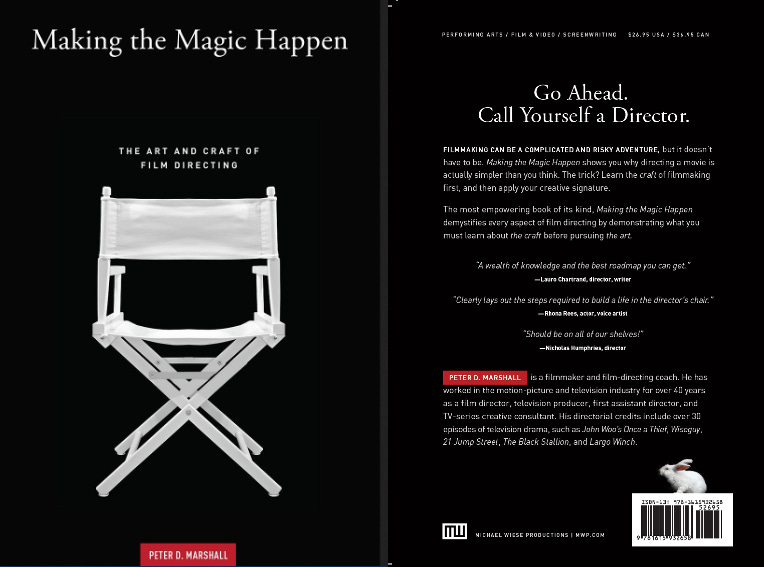
I am also the author of the film book “Making the Magic Happen: The Art and Craft of Film Directing” published by Michael Wiese Productions.
https://www.amazon.com/MAKING-MAGIC-HAPPEN-Craft-Directing/dp/1615932658
In 2024, I spent 9 months writing 25 film directing (e)books called “MASTERING THE ART AND CRAFT OF DIRECTING - A Masterclass Series of Film Directing Tips, Tools and Trade Secrets For Anyone Sitting in the Directors Chair.”
If you would like to get the first 2 ebooks for FREE, plus the 39-page Series Table of Contents of ALL the content that is available in each of the 25 Directing books, please visit: https://actioncutprint.com/masterclass-series-of-25-directing-ebooks/
Here’s to YOUR filmmaking success!