
A Director’s Working Relationship with Actors
A director-actor relationship is built on trust and mutual respect.

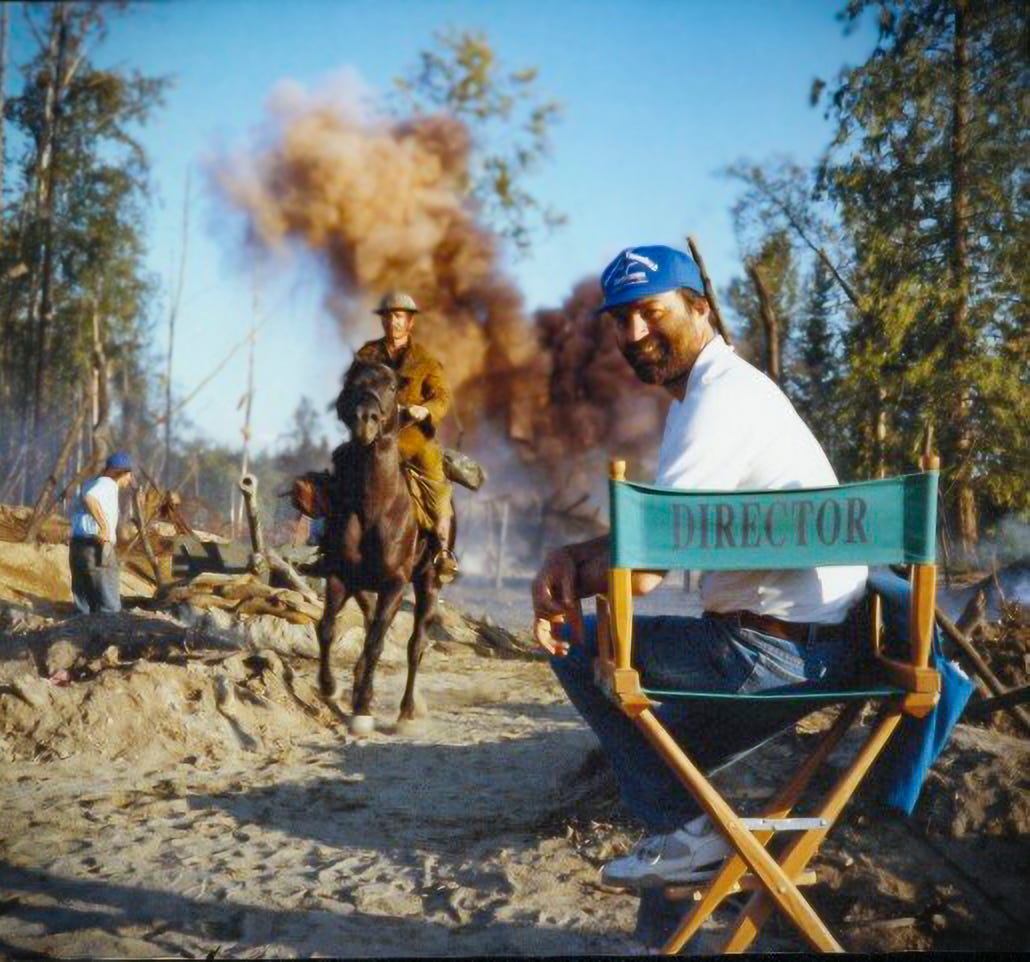
As a director, one of the most crucial relationships you’ll cultivate on set is with your actors. This relationship can significantly impact the success of your project, from the quality of performances to the overall dynamics on the set.
A strong director-actor relationship is built on trust, open communication, and mutual respect. It’s essential to create an environment where actors feel safe to explore their characters and take creative risks. On your part, it involves actively listening to their ideas, providing constructive feedback, and guiding them without being overly controlling.
Understanding how to create and sustain a positive, collaborative, and effective working relationship with your actors is essential for bringing your vision to life. Here’s a comprehensive guide to help you navigate this vital aspect of filmmaking.
1. Building Trust and Respect
a. Establishing Trust: The foundation of a strong director/actor relationship is trust. From the first casting session to the ADR session, it’s important to establish a professional rapport with your actors. Be transparent about your vision for the project and listen to their insights and concerns. When actors see that you are genuine and respectful of their craft, they are more likely to engage fully with your direction.
b. Showing Respect: Respect is a two-way street. Show appreciation for the actors’ talents and acknowledge their contributions. Avoid undermining their ideas or dismissing their concerns. Create an environment where actors feel valued and heard by actively listening to their feedback.
For example, if an actor proposes a different interpretation of a scene, listen to their reasoning before making a decision. Respecting their expertise not only strengthens your working relationship but also encourages a collaborative environment.
2. Effective Communication
a. Active Listening: Listen carefully to the actors’ feedback and concerns. Show that you value their perspectives by acknowledging their input and considering it thoughtfully. Respond with empathy and understanding, ensuring that actors feel heard and respected. Incorporate their feedback into your direction where appropriate, demonstrating a collaborative approach to the creative process.
b. Clear Directions: Effective communication is key to a successful director/actor relationship. Use precise language and concrete examples to convey your vision. Provide clear and specific instructions about what you are looking for in a scene. For instance, instead of saying “Be more intense,” you might say, “Convince the other character that you are both facing a life-or-death situation.”
c. Open Dialogue: Encourage an open dialogue where actors feel comfortable asking questions and sharing their thoughts. Regular check-ins can be useful for discussing the script, exploring character development, and addressing any issues that arise. Actively listen to actors’ concerns and suggestions, demonstrating that their input is valued and considered. For example, set aside time during rehearsals for actors to voice their questions or uncertainties about their characters or scenes.
3. Guiding Performances
a. Balancing Direction and Freedom: While direction is important, it’s also essential to give actors the freedom to explore their characters. Allow space for creative expression and improvisation. Encourage actors to bring their interpretations and insights into their roles, which can lead to more authentic performances. For instance, if an actor wants to try a different approach to a scene, support their experimentation and evaluate if it works with your vision.
b. Providing Constructive Feedback: Feedback is essential for refining performances, but it must be constructive and specific. Instead of saying, “That’s not right,” offer detailed suggestions for improvement. For example, reinforce positive aspects of their performance to build confidence while addressing areas for improvement, creating a balanced and motivating feedback experience. Suggest specific actions, emotions, or adjustments to their performance that are in sync with your vision.
c. Understanding Each Actor’s Process: Every actor has their own process for developing a role. Be open to different methods, whether it’s a deep character study or a more instinctive approach. For example, if an actor prefers to develop their character through personal experiences, support this method as long as it works with your overall vision. Other actors may require extensive rehearsals and background research, while others may rely on spontaneity and in-the-moment inspiration.
4. Managing Conflicts
a. Addressing Issues Promptly: Conflicts are inevitable in any creative and collaborative process. Address issues as they arise with a calm and professional demeanor. For example, if there’s a disagreement about a scene’s direction, discuss it openly and work together to find a solution that works for everyone. This proactive approach prevents small issues from escalating and maintains a positive working environment. Encourage open communication and ensure that all parties feel heard and respected.
b. Mediating Disagreements: When conflicts occur, mediate disagreements by focusing on the project’s goals rather than personal differences. For instance, if two actors have conflicting interpretations of a scene, have a private discussion where they can both express their viewpoints and reach a mutual understanding. Encourage open dialogue and active listening to ensure each perspective is considered. Highlight the common goal of improving the scene and achieving the best possible performance.
c. Seeking Solutions Together: Encourage a problem-solving approach where you work together to find the best outcome. For example, if there are scheduling conflicts, brainstorm solutions with the actors and crew to ensure that everyone’s needs are met. Involve key stakeholders in the discussion to generate diverse ideas and create a collaborative atmosphere. Emphasize flexibility and willingness to compromise to find a practical solution.
5. Supporting Actors’ Well-being
a. Creating a Positive Work Environment: Create a positive and supportive work environment on set. Recognize the pressures actors face and offer encouragement and support. For example, celebrating small victories, like a breakthrough in rehearsal or a great take on set can boost morale and encourage a sense of accomplishment. Ensure the set atmosphere is collaborative and respectful, reducing stress and promoting productivity.
b. Encouraging Work-Life Balance: Respect actors’ time off and personal boundaries. Acknowledge that they have lives outside of the set and avoid encroaching on their personal time. For instance, try and stick to the agreed-upon shooting schedule and avoid last-minute changes if possible that might disrupt actors’ personal commitments. Encourage regular breaks during long shooting days to prevent burnout and maintain high energy levels.
c. Providing Resources: Ensure actors have the resources they need to perform their best. This might include adequate rehearsal time, access to dialect coaches, or opportunities for physical training. For example, if a scene requires intense physical activity, arrange for a trainer or extra rehearsal time to ensure actors are prepared. Provide access to research materials or expert consultants when actors need to understand specific contexts or skills for their roles.
6. Post-Production Collaboration
a. Acknowledging Their Contributions: Show appreciation for their work and recognize their contributions to the project. This can be done through thank-you notes, invitations to premieres, or simply expressing your gratitude. For instance, sending a personal note after filming wraps can show that you value their hard work and dedication. Publicly acknowledging their contributions during interviews or on social media can also enhance their visibility and appreciation.
b. Involving Actors in the Process: Actors can be valuable contributors during post-production. Engage with them about their thoughts on the final product, and keep them informed about the film’s progress. For example, invite actors to view the rough cuts and discuss how their performances fit within the final edit. This involvement can provide valuable insights and enhance the overall quality of the film.
c. Maintaining Professional Relationships: Keep in touch with actors for future collaborations. Building and maintaining professional relationships can lead to future opportunities for both parties. For example, follow up with actors after the project to stay connected and explore potential future projects together. Regularly checking in and expressing interest in their careers shows a genuine investment in their professional growth.
I am a Director and Film Directing Coach. https://www.imdb.com/name/nm0551106/
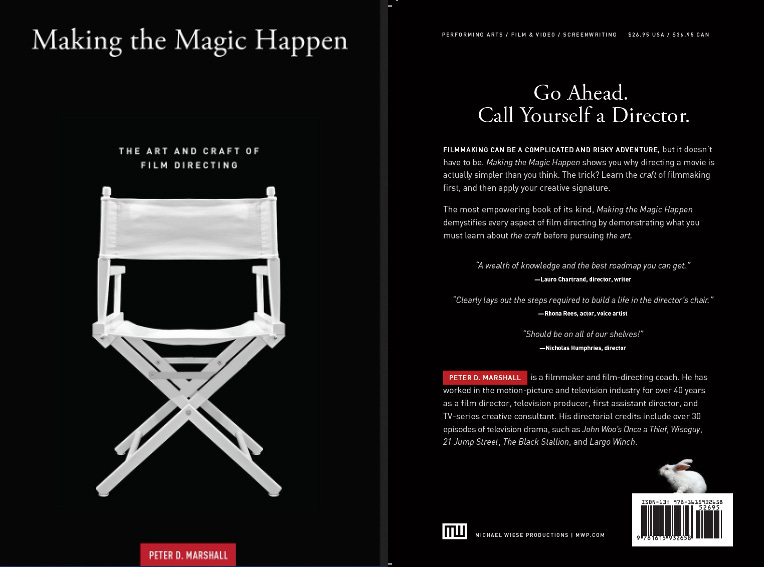
I am also the author of the film book “Making the Magic Happen: The Art and Craft of Film Directing” published by Michael Wiese Productions.
https://www.amazon.com/MAKING-MAGIC-HAPPEN-Craft-Directing/dp/1615932658
In 2024, I spent 9 months writing 25 film directing (e)books called “MASTERING THE ART AND CRAFT OF DIRECTING - A Masterclass Series of Film Directing Tips, Tools and Trade Secrets For Anyone Sitting in the Directors Chair.”
If you would like to get the first 2 ebooks for FREE, plus the 39-page Series Table of Contents of ALL the content that is available in each of the 25 Directing books, please visit: https://actioncutprint.com/masterclass-series-of-25-directing-ebooks/
Here’s to YOUR filmmaking success!